
Is an IV drip safe? Our safety & medical standards
Is an IV drip safe? For most healthy adults, yes, when a qualified nurse gives it after a health check. Every IV drip is given by a licensed Thai nurse following doctor-approved protocols, with sterile single-use equipment.
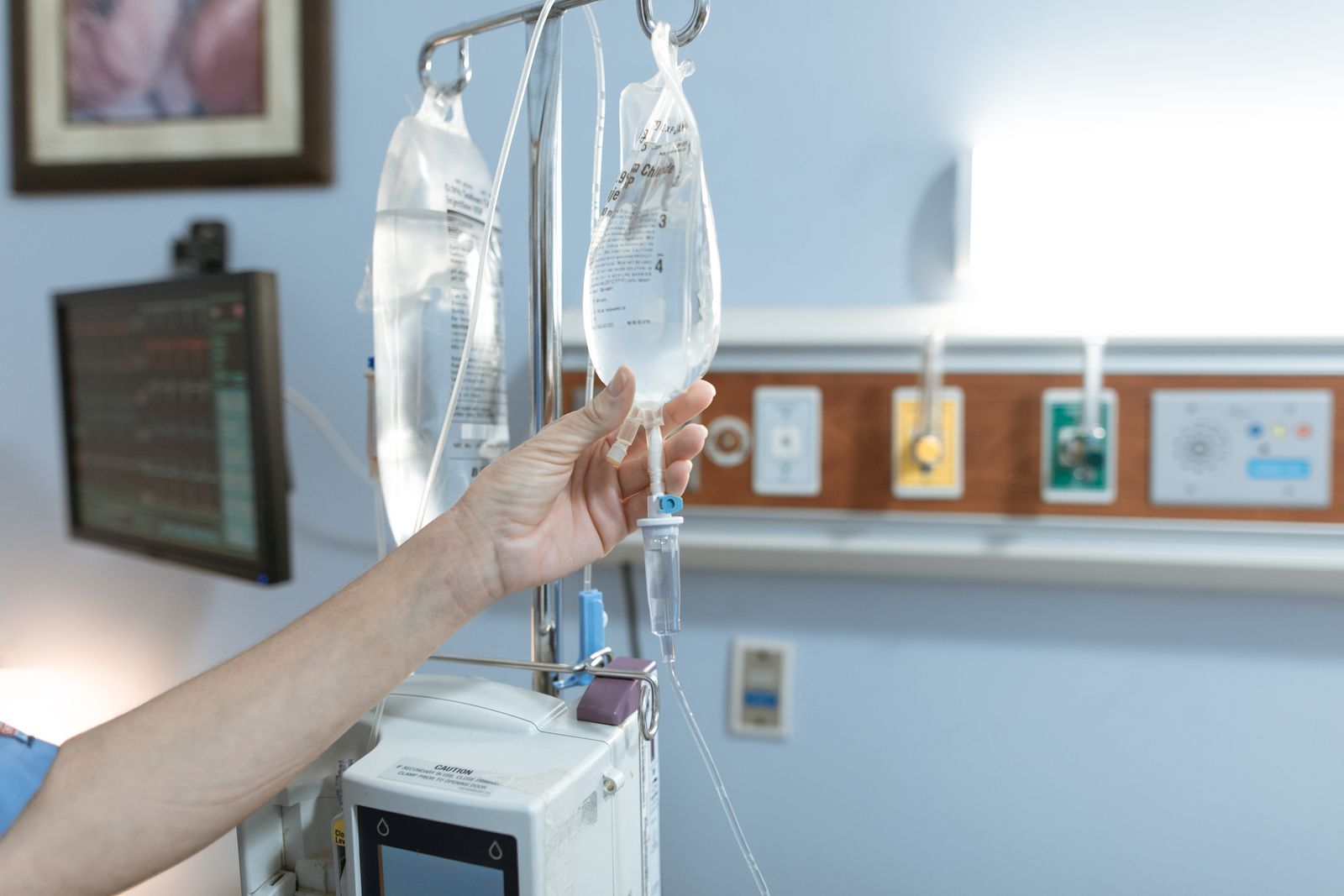
Our standards
Medical care you can trust on holiday
- Every drip given by a licensed Thai nurse
- Doctor-approved treatment protocols
- Pharmaceutical-grade ingredients from licensed Thai suppliers
- Sterile, single-use equipment for every guest
- Blood pressure and health screening before we start
- Your nurse stays with you for the whole treatment
Health screening
Every treatment starts with a check-up
Health questions
Before we set off we ask about your symptoms, medical history, allergies and any medication you take.
Vital signs
On arrival your nurse checks your blood pressure and pulse to make sure a drip is safe for you today.
Nurse’s decision
If a drip isn’t the right choice, your nurse will tell you why and recommend seeing a doctor instead.
Is it right for you?
Tell your nurse if you…
- are pregnant or breastfeeding
- have a heart, kidney or liver condition
- have high blood pressure
- take regular medication, including blood thinners
- have any allergies to medication
- are still heavily intoxicated (we cannot treat you until you have sobered up)
In an emergency, call 1669
Chest pain, difficulty breathing, a head injury, confusion or severe pain need emergency care, not an IV drip. Call 1669 (Thailand emergency medical services) or go to the nearest hospital immediately.
Honest answers
Possible side effects of an IV drip
Most people feel nothing more than the needle. These are the side effects we tell every guest about before we start.
Bruising or soreness
A small bruise or a tender spot where the cannula went in is the most common side effect. It fades in a few days.
A cool feeling in the arm
Room-temperature fluid can feel cold as it runs in. Your nurse can slow the drip if it is uncomfortable.
Feeling lightheaded
Some people feel faint around needles. Lying back during the drip helps, and your nurse watches for it.
Vein irritation or infection
Rarely, the vein can become sore and red, or the site can get infected. Sterile single-use equipment keeps this risk low. Tell us if it gets worse after the visit.
Allergic reaction
Very rarely, someone reacts to an ingredient or medication. This is why we ask about allergies first, and why your nurse stays with you throughout.
Too much fluid
People with heart or kidney conditions can struggle with extra fluid. The health check is there to spot this, and we will refer you to a doctor instead.
The downsides
IV drip disadvantages, plainly
- It involves a needle. If you can drink and keep fluids down, oral rehydration salts from a pharmacy or 7-Eleven work well for mild dehydration.
- It costs more than drinking. You are paying for a nurse’s visit, sterile equipment and medication if needed.
- It treats symptoms, not causes. A drip rehydrates you and can ease nausea, but it won’t cure an infection or sober you up.
- It isn’t for emergencies. Serious symptoms need a doctor or hospital, not a hotel visit.
Is an IV drip safe?
For most healthy adults, yes, when it is given by a qualified nurse after a health check, with sterile single-use equipment. The health check exists to spot the people for whom it isn’t safe.
Is an IV drip safe in pregnancy?
Tell us before we come if you are pregnant or breastfeeding. Some ingredients aren’t suitable, and depending on your symptoms we may recommend seeing a doctor instead of a drip.
What are the side effects of an IV drip?
Most often a small bruise or a cool feeling in the arm. Rarely, vein irritation, infection or an allergic reaction. Your nurse explains the risks and stays with you throughout.
Keep reading
More about IV Drip Koh Phi Phi

Feeling rough? Help is one message away.
Daily 8:00 – 22:00