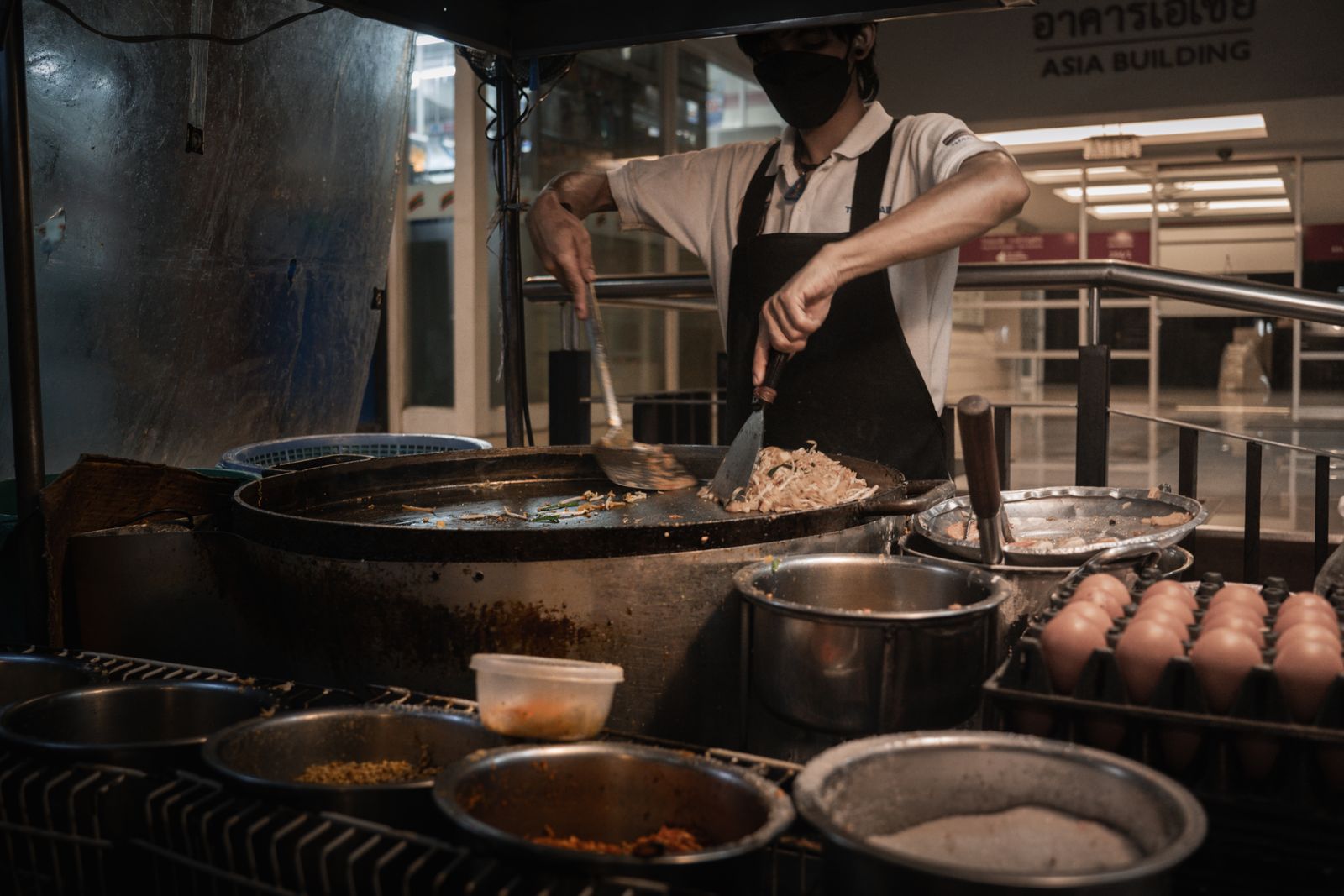
Food poisoning on Koh Phi Phi: symptoms, what to do & when to get help
Got food poisoning on Koh Phi Phi? Most cases pass in 1–3 days. Your job is to stay hydrated with rehydration salts, rest, and know the warning signs that mean you need a doctor. This guide walks you through it, step by step.
In short
What to do right now
- Start rehydration salts (ORS) now: small sips every few minutes, even if you are vomiting.
- Rest somewhere cool, ideally with air conditioning or a fan. Heat makes dehydration worse.
- Skip alcohol, coffee, energy drinks and fatty or spicy food until you feel better.
- Eat bland food once you are hungry again: rice soup, toast, bananas, crackers.
- Get help if you can’t keep fluids down, see blood, have a high fever or feel faint.

Food poisoning symptoms
Food poisoning usually starts suddenly, anywhere from a few hours to a couple of days after eating contaminated food or drinks. The most common symptoms are:
- Nausea and vomiting
- Watery diarrhoea, often several times a day
- Stomach cramps and bloating
- A mild fever, chills and aching muscles
- Tiredness, weakness and loss of appetite
How long does food poisoning last?
For most people, food poisoning gets better on its own within 1–3 days, although you may feel tired for a day or two afterwards. According to the CDC, untreated bacterial traveller’s diarrhoea usually lasts 3–7 days and viral diarrhoea 2–3 days. Diarrhoea caused by parasites can go on for weeks, so if symptoms drag on, see a doctor.
| When | What usually happens | What to do |
|---|---|---|
| First 24 hours | Vomiting and diarrhoea are at their worst | Sip ORS constantly, rest, don’t force food |
| Day 2 | Vomiting eases; diarrhoea and cramps continue | Keep up ORS, start bland food |
| Day 3 | Most people feel much better but tired | Normal food slowly, still no alcohol |
| After day 3 | If you are not improving, something else may be going on | See a doctor |

What to do: rehydration comes first
The biggest danger with food poisoning isn’t the bug itself, it’s dehydration. Every time you vomit or have diarrhoea you lose water and salts such as sodium and potassium. On a tropical island you also lose fluid through sweat, so you can dry out faster than you would at home.
The World Health Organization recommends oral rehydration solution (ORS), a precise mix of clean water, sugar and salts that your gut absorbs even when it is upset. Plain water alone doesn’t replace the salts you are losing, and sugary soft drinks or fruit juice can make diarrhoea worse.
How to drink it when you feel sick:
- Mix one sachet with the exact amount of bottled water on the packet. Too little water makes it too salty.
- Take a small sip or a spoonful every 2–5 minutes. Big gulps tend to come straight back up.
- If you vomit, wait 10 minutes and start again with smaller sips.
- Keep going until your urine is pale yellow again.
- Chilled ORS is often easier to keep down. Make a fresh batch every day.
Your 7-Eleven shopping list
There are 7-Elevens and minimarts all over Tonsai Village, and pharmacies in the lanes around the pier. Ask a friend or your hotel to pick up:
| Buy | Why |
|---|---|
| Oral rehydration salts (ORS sachets) | The most important item. Sold at 7-Eleven and every pharmacy. |
| Bottled water | For mixing ORS and sipping. Never use tap water. |
| Coconut water | Gentle and contains potassium. Good alongside ORS, not instead of it. |
| Jok (rice porridge) or plain rice soup | Easy to digest once you can eat. 7-Eleven sells cups you just add hot water to. |
| Plain crackers, toast, bananas | Bland foods that are kind to an upset stomach. |
| A thermometer (pharmacy) | So you know whether you have a high fever, one of the warning signs. |
What about medicine? Thai pharmacies sell many medicines over the counter, including some that need a prescription at home. Talk to the pharmacist about your symptoms, any conditions you have and any medication you already take, and don’t take anything to stop diarrhoea if you have a fever or blood in your stool. If you think you need antibiotics, see a doctor: most food poisoning doesn’t need them, and taking the wrong ones can do more harm than good.

Warning signs: when to see a doctor
Most food poisoning is miserable but harmless. These signs mean it isn’t, and you should see a doctor at a clinic or the hospital on the island:
When you need a doctor, not a drip
Blood in your stool or vomit, a high fever (39°C or more), severe or constant stomach pain, symptoms that last more than 3 days, no urine for 12 hours, confusion, fainting or extreme drowsiness. Get help sooner for babies and small children, pregnant women, older people and anyone with diabetes, kidney or heart problems or a weak immune system. In an emergency, call 1669 (Thailand emergency medical services).
Not sure where to go? Our guide to medical help on Koh Phi Phi explains the island’s hospital, clinics and pharmacies.

Traveller’s diarrhoea or food poisoning?
The two overlap, and the first steps are the same. Food poisoning usually comes on suddenly after a specific meal, often with vomiting, and other people who ate the same thing may be ill too. Traveller’s diarrhoea is a broader term for diarrhoea picked up while travelling, from food, drinks, ice or unwashed hands. The CDC calls it the most predictable travel-related illness, affecting 30–70% of travellers on a two-week trip, depending on the destination and season.
Either way: rehydrate, rest, eat bland food and watch for the warning signs above.
How to avoid food poisoning on Phi Phi
- Eat where it’s busy. High turnover means fresher food.
- Choose food that is cooked fresh and served steaming hot.
- Be careful with seafood that has been sitting out on a barbecue display in the heat.
- Drink bottled or filtered water. Ice made in factories (cylinders with a hole) is generally fine; ice of unknown origin is a risk.
- Peel fruit yourself, and wash or sanitise your hands before eating.
- Go easy on the buckets: alcohol on an upset stomach makes everything worse.
When does an IV drip help with food poisoning?
An IV drip isn’t needed for most food poisoning. It helps when drinking isn’t working: you vomit everything, even small sips of ORS; the diarrhoea is so frequent that you can’t drink enough to keep up; or you already feel dizzy, weak or faint. IV fluids go straight into your bloodstream, and a nurse can add anti-nausea medication to stop the vomiting so you can start drinking again.
If that sounds like you, our food poisoning IV drip on Koh Phi Phi brings a licensed nurse to your hotel, bungalow or boat, usually within 30–60 minutes in Tonsai and Loh Dalum. Every treatment starts with a health check, and if your nurse finds any warning signs they will help you get to a doctor instead.

Food poisoning FAQ
Questions travellers ask
Is food poisoning common in Thailand?
Stomach upsets are common for visitors to many tropical destinations, Thailand included, mostly from unfamiliar bacteria in food, water and ice. Most cases are mild and pass in a few days.
Can I take the ferry with food poisoning?
If you can, wait until the vomiting has stopped and you are keeping fluids down. A boat trip with nausea is hard work, and you won’t always have quick access to a toilet. Take ORS, water and a bag with you.
Should I stop eating?
You don’t need to eat while you are vomiting, but keep drinking ORS. Once you are hungry again, start with small amounts of bland food such as rice soup, toast and bananas.
Can I drink alcohol after food poisoning?
Give your stomach at least a day or two after your symptoms stop. Alcohol irritates the gut and dehydrates you, the opposite of what you need.
Sources
Where this information comes from
- Diarrhoeal disease fact sheet, World Health Organization
- Travelers’ diarrhea, CDC Yellow Book
- Food poisoning, NHS
Last updated: October 2026. This guide is general information, not medical advice. If you are worried, see a doctor.
Keep reading
More help on Koh Phi Phi

Feeling rough? Help is one message away.
Daily 8:00 – 22:00