
IV drip vs drinking water: which rehydrates you better?
IV drip vs drinking water: for most people who can keep fluids down, drinking water with oral rehydration salts rehydrates you very well, cheaply and safely. An IV drip is faster and works when your stomach won’t, which makes it the better choice when you are vomiting, very nauseous or badly dehydrated.
The short answer
Which one do you need?
- Mildly thirsty, can eat and drink: plain water is enough.
- Sweated a lot, hungover or have diarrhoea: water with oral rehydration salts (ORS) is better than plain water.
- Vomiting, can’t keep fluids down or need to recover fast: an IV drip makes sense.
- Confused, fainting, very drowsy or have chest pain: that is an emergency. Call 1669.
How drinking water rehydrates you
When you drink, water is absorbed mainly through your small intestine and then into your bloodstream. If your stomach and gut are working normally, this is an efficient system and it is how your body is designed to get fluid. Its limits show up when you are losing salts as well as water, when you are sick to your stomach, or when you are so behind that you need a lot of fluid quickly.

Why oral rehydration salts beat plain water
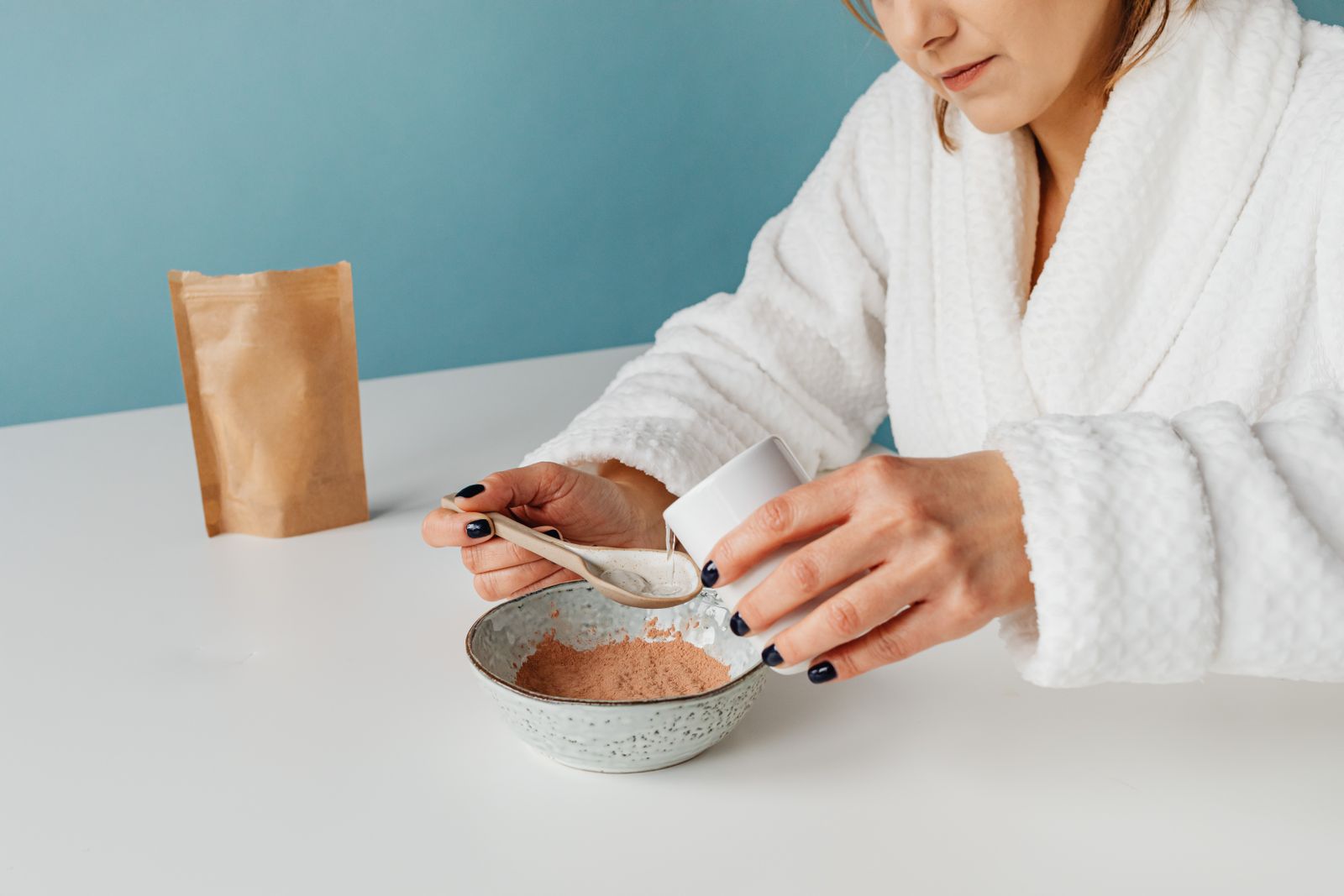
Oral rehydration salts are a powder of sugar and salts that you mix into clean water. The small amount of glucose helps your gut absorb sodium, and water follows the sodium into your body. That is why an ORS drink replaces fluid more effectively than plain water when you have been sweating heavily, drinking alcohol or have diarrhoea.
The World Health Organization says dehydration from acute diarrhoea, except when it is severe, can be safely and effectively treated by oral rehydration in over 90% of cases, at any age. The modern low-osmolarity ORS formula also reduced the need for extra IV fluids by about a third compared with the older formula. In Thailand you will find electrolyte sachets at every 7-Eleven and pharmacy. Follow the mixing instructions on the packet exactly: too much powder or too little water makes it less effective.
How an IV drip rehydrates you
An IV drip delivers sterile fluid and electrolytes directly into a vein through a thin cannula, so it skips the stomach and gut entirely. The fluid is in your bloodstream straight away, which is why people who are vomiting often feel better within an hour. A nurse can also add anti-nausea medication after a health check, and once the nausea settles you can usually start drinking again.
The trade-offs are cost, a needle, and the small risks that come with any IV: bruising, a sore or irritated vein, and rarely infection or an allergic reaction. People with some heart or kidney conditions can also struggle to handle extra fluid, which is why a health check comes first.
IV fluids vs drinking water vs ORS: side by side
| Plain water | Water + ORS | IV drip | |
|---|---|---|---|
| Best for | Everyday thirst, mild heat | Sweating, hangover, diarrhoea | Vomiting, can’t drink, need to recover fast |
| Replaces salts | No | Yes | Yes |
| Works if you are vomiting | Poorly | Poorly | Yes |
| Speed | Gradual | Gradual, better absorbed | Fast |
| Anti-nausea treatment | No | No | Possible, after a health check |
| Cost | Very low | Very low | Higher (nurse visit) |
| Needle | No | No | Yes |

When drinking water is enough
Most of the time. If you can eat and drink normally, your pee is getting paler and you feel steadily better, there is no need for a drip. Keep a bottle with you, sip regularly, add an electrolyte sachet on hot days and after a big night, and rest in the shade. This is true for most mild hangovers, a long beach day and the first day after a flight.
Staying hydrated on a Phi Phi day out
Island days are where people fall behind on fluids without noticing. A boat trip to Maya Bay, the climb to the viewpoint or an afternoon on Long Beach can mean hours in strong sun with only the drink you remembered to bring. A few simple habits make a big difference:
- Carry a large bottle of water and refill it whenever you can; most hotels and dive shops have refill points.
- Drop an electrolyte sachet into one bottle a day when it is hot or you are sweating a lot.
- Drink before you feel thirsty, and a little more for every hour in the sun.
- Alternate alcoholic drinks with water in the evening, and have a glass before bed.
When an IV drip makes sense
- You are vomiting or so nauseous that fluids come straight back up.
- You have diarrhoea and vomiting together and are falling behind on fluids.
- You show clear signs of dehydration: dizziness when standing, very dark pee or hardly any, a dry mouth and real weakness.
- You have a short trip or a boat, ferry or flight to catch and can’t afford a slow recovery.
On Koh Phi Phi our nurses bring a hydration IV drip to your hotel, bungalow or boat. If your dehydration comes from a big night out, read do hangover IV drips work? for an honest look at what a drip can and can’t do.

Myths about IV therapy vs drinking water
“An IV hydrates you for days.” No. Your kidneys balance your fluids continuously, so you still need to drink normally afterwards. “A drip cleans toxins out of your body.” Your liver and kidneys clear waste products; a drip doesn’t make them work faster. “Everyone absorbs only a fraction of what they drink.” A healthy gut absorbs water very well. Oral rehydration is the first-line treatment for dehydration worldwide for good reason.
Our view is simple: start with fluids by mouth when you can, and use a drip when that isn’t working or isn’t fast enough.

When you need a doctor, not a drip
Severe dehydration can lead to shock. Get help immediately if someone has blue, grey, pale or blotchy skin, lips or tongue, cold skin, a racing heart or fast breathing, confusion, fainting or is very hard to wake. Heat stroke (a very high temperature, hot skin and confusion after time in the sun), vomiting blood, bloody diarrhoea, severe stomach pain or chest pain also need a doctor, not a hotel drip. Call 1669 (Thailand emergency medical services) or go to the nearest clinic.
Hydration FAQ
IV drip vs drinking water: your questions
Is an IV drip better than drinking water?
Not for most people. If you can keep fluids down, water with oral rehydration salts rehydrates you well. An IV is better when you are vomiting, very nauseous or significantly dehydrated.
How long does an IV drip take to rehydrate you?
A typical drip runs for 30 to 60 minutes and the fluid enters your bloodstream straight away. Many people feel better before the bag finishes.
Are electrolyte drinks as good as ORS?
Sports and electrolyte drinks help, but they usually contain more sugar and fewer salts than oral rehydration salts. For diarrhoea or heavy fluid loss, ORS mixed exactly as directed is the better choice.
Can I drink too much water?
It is possible to drink so much plain water that the salt in your blood drops too low, usually during long, sweaty exercise. Sipping steadily and adding electrolytes on hot days avoids this.
Keep reading
More on staying hydrated on Phi Phi
See our hydration IV drip on Phi Phi, or read do hangover IV drips work? if a big night is the reason you feel dried out.
Sources: WHO/UNICEF: Oral rehydration salts · NHS: Dehydration. Last updated October 2026.

Feeling rough? Help is one message away.
Daily 8:00 – 22:00