
Jellyfish on Koh Phi Phi: box jellyfish, stings and what to do
Jellyfish on Phi Phi are usually a nuisance rather than a danger: most stings are painful but harmless. Box jellyfish, which have been reported in Thai waters, are the exception, so if someone is stung and becomes breathless, collapses or has severe pain, call 1669, pour on vinegar and be ready to start CPR. Here is what to do for every kind of sting, and how to lower your risk in the water.
The short version
Jellyfish stings in five points
- Get out of the water calmly and get help from a lifeguard, boat crew or anyone nearby.
- Serious signs = call 1669: trouble breathing, chest pain, collapse, confusion or severe, spreading pain. Start CPR if the person stops breathing normally.
- Vinegar, not fresh water: in tropical waters like Thailand, pour plenty of vinegar over the sting for at least 30 seconds, then remove any tentacles without bare hands. No vinegar? Rinse with seawater.
- Don’t rub the sting, pee on it or rinse it with fresh or bottled water.
- Ease the pain afterwards and get a minor sting checked by a clinic if the pain doesn’t settle.

Are there jellyfish on Phi Phi?
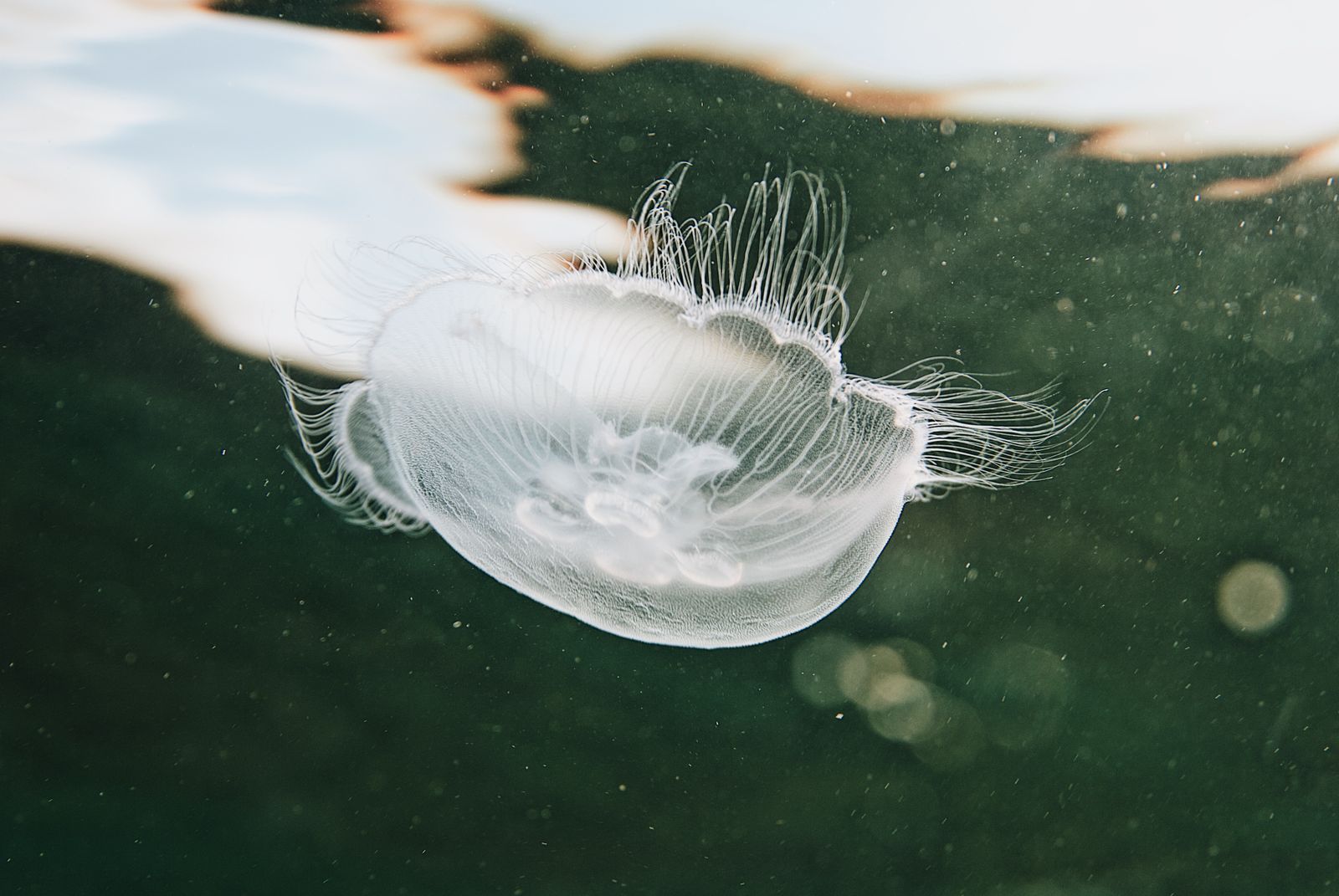
Yes. Like everywhere in the Andaman Sea, the waters around Koh Phi Phi have jellyfish, and some days you will see none while on others there are plenty drifting near the beaches. Most of them are small, harmless or only mildly stinging species. A sting from these feels like a burning nettle rash: painful for a while, red and itchy, then gone within hours or a few days.
The ones to take seriously are box jellyfish. They are almost transparent, have a cube-shaped bell and long tentacles, and are hard to see in the water. Box jellyfish stings have caused deaths in Thailand, and Thai authorities have put up warning signs and vinegar stations at some beaches. Serious stings are rare, but because they can be life-threatening it is worth knowing the first aid before you swim.
Is there a jellyfish season on Phi Phi?
There is no reliable season you can plan around. Jellyfish can turn up at any time of year, and numbers change with wind, currents, rain and water temperature. The best guide is local knowledge on the day: ask your dive centre, boat crew or hotel, and look out for warning flags or signs on the beach.

Jellyfish sting first aid in Thailand: step by step
In tropical waters where box jellyfish may be present, first aid is different from the advice you may know from home. The Australian Resuscitation Council, which writes the guidelines for tropical waters like Thailand’s, recommends:
- Get the person out of the water and keep them still. Call for help.
- Check their breathing. If they are breathless, confused, collapse or have chest pain, call 1669 straight away. If they stop breathing normally, start CPR and keep going until help arrives.
- Pour vinegar over the sting generously for at least 30 seconds. Vinegar stops the stinging cells that haven’t fired yet from firing.
- Then remove any tentacles still on the skin, using tweezers, a stick or gloved fingers, never bare hands.
- If there is no vinegar, rinse with seawater and remove the tentacles carefully.
- For pain, the Australian tropical guidelines use a cold pack or ice wrapped in a cloth. Ask a pharmacist about pain relief.
What not to do: don’t rinse with fresh water, bottled water or alcohol, because this can make the remaining stinging cells fire. Don’t rub the area with sand or a towel. And don’t pee on it: it doesn’t help and can make things worse.
Vinegar: when it helps and when it doesn’t
You may read that vinegar is wrong for jellyfish stings. That is true for some species. The NHS, whose advice is written for UK waters, does not recommend vinegar and suggests rinsing with seawater and soaking in hot water. Australian guidelines also say vinegar should not be used for bluebottles (Portuguese man o’ war). For tropical waters where box jellyfish can occur, though, vinegar remains the recommended first step, because it can stop more venom being injected from tentacles still on the skin.
Researchers are still debating the details, and the honest summary is that jellyfish first aid differs by species and region. In Thailand, where you often can’t tell which jellyfish stung you, follow the tropical advice: vinegar, remove tentacles, watch breathing, call 1669 for anything serious.

When a jellyfish sting is an emergency
Call 1669 (Thailand emergency medical services) straight away if someone stung by a jellyfish has difficulty breathing, chest pain, a fast or irregular heartbeat, severe pain that keeps spreading, vomiting, confusion, a seizure, collapses, or if a child has been stung over a large area. Use vinegar while you wait and start CPR if they stop breathing normally. Also see a doctor for a sting on the face, eyes, mouth or genitals, a sting that blisters or gets more painful over the next day, or signs of infection such as spreading redness, pus or a fever. An IV drip is never treatment for a jellyfish sting. Our guide to medical help on Koh Phi Phi explains where to go on the island and how transfers to the mainland work.
Jellyfish sting treatment after first aid
Most minor stings settle within a few hours, though redness and itching can last a few days. To feel more comfortable:
- Keep the area clean and dry, and don’t scratch it.
- Ask a pharmacist in Tonsai for something to ease pain and itching. Pharmacists in Thailand can recommend creams and tablets; tell them about any allergies or medication you take.
- Stay out of the sun with the stung skin, and cover it with loose clothing.
- Take photos of the rash over the following days. A line-shaped or ladder-like pattern can help a doctor work out what stung you.
Rarely, a skin reaction comes back or flares days or weeks later. If that happens, or the skin doesn’t heal, see a doctor.
How to avoid jellyfish stings on Phi Phi
- Ask before you swim. Dive centres and boat crews usually know if jellyfish have been around that week.
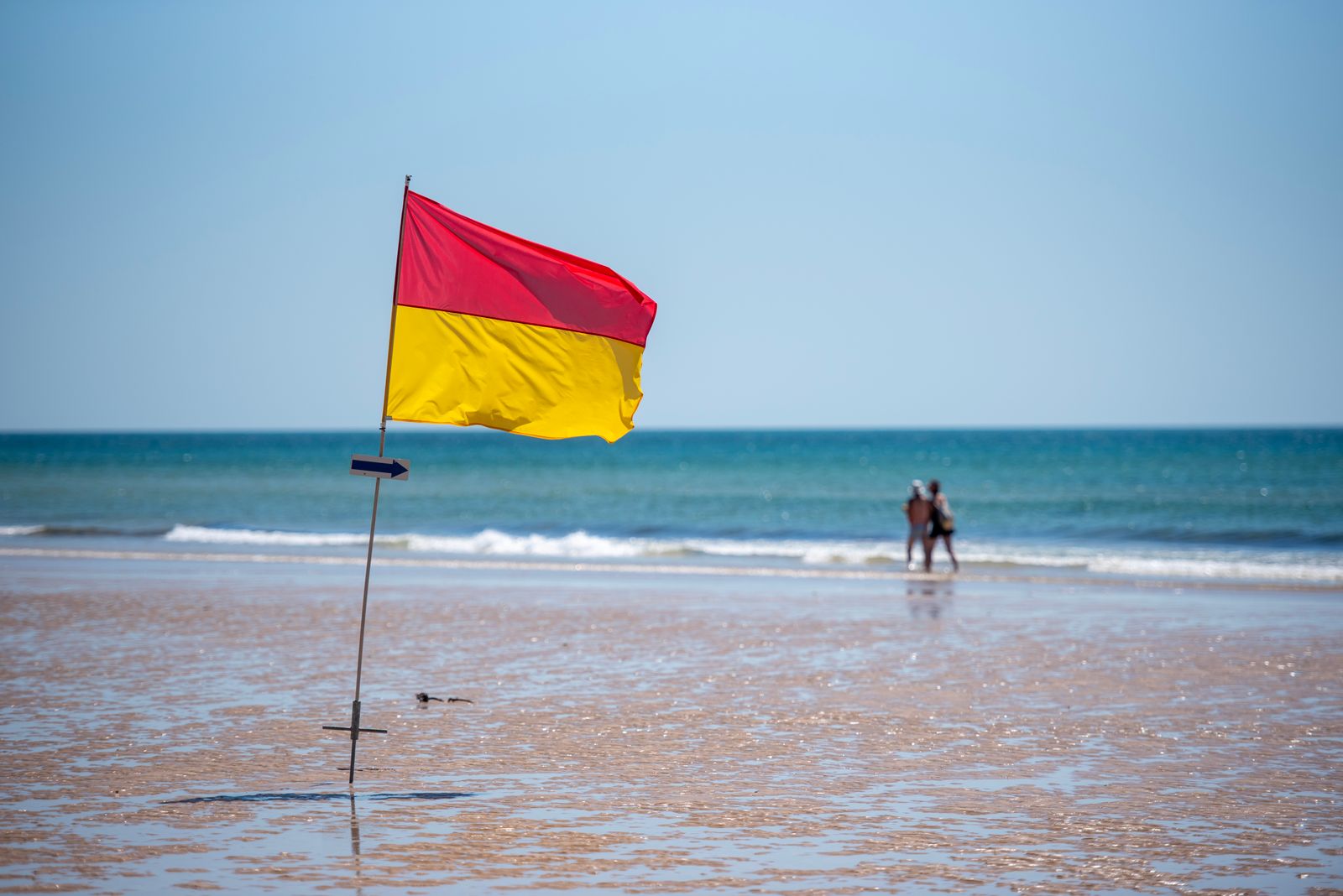
- Check the beach for warning flags, signs and vinegar stations, and follow lifeguard advice where there is one.
- Cover up with a long-sleeved rash vest, leggings or a thin wetsuit when you snorkel. Covered skin can’t be stung.
- Look before you jump off a boat, and avoid swimming through visible jellyfish.
- Avoid swimming at night and after storms, when visibility is poor.
- Don’t touch jellyfish washed up on the sand. They can still sting.
- Pack a small bottle of vinegar in your beach bag or ask whether your boat has one on board.
Other things that sting in the water
Jellyfish aren’t the only thing to watch for. Sea urchins in the shallows, sharp coral and, less often, stingrays and stonefish cause more injuries on Thai beaches than jellyfish do. Our guide to sea urchin stings and coral cuts in Thailand covers what to do. If you are diving, read diving and dehydration on Phi Phi too.
Jellyfish FAQ
Jellyfish on Phi Phi: your questions
Are there box jellyfish on Phi Phi?
Box jellyfish have been reported in Thai waters, including the Andaman Sea, and have caused deaths in Thailand. Serious stings are rare, but take warnings seriously and know the first aid: vinegar, remove tentacles, call 1669 for breathing problems or collapse.
Is it safe to swim at Phi Phi?
For most people on most days, yes. Swim where others are swimming, check for warning signs, ask locals about jellyfish that week, and consider a rash vest when snorkelling.
Should I use vinegar or hot water on a jellyfish sting?
In tropical waters like Thailand, vinegar first for at least 30 seconds, then remove the tentacles. Hot water is used for some jellyfish in other parts of the world, but the tropical guidelines start with vinegar because of the box jellyfish risk.
Does peeing on a jellyfish sting help?
No. Urine doesn’t neutralise the venom and may make more stinging cells fire. Use vinegar or seawater instead.
How long does a jellyfish sting last?
Pain from a minor sting usually eases within a few hours, and the rash fades over a few days. See a doctor if it blisters, spreads, gets more painful or looks infected.
Keep reading
Staying safe in the water on Phi Phi
Know where to go if something goes wrong: our guide to medical help on Koh Phi Phi lists the clinics, pharmacies and emergency numbers. For cuts and spines in the shallows, see sea urchin stings in Thailand, and for boats, currents and night swimming read is it safe to swim on Koh Phi Phi?
Sources: Australian Resuscitation Council: Guideline 9.4.5, Envenomation – jellyfish stings · Medical Journal of Australia: Are we using the correct first aid for jellyfish? · NHS: Jellyfish and other sea creature stings. Last updated October 2026.

Feeling rough? Help is one message away.
Daily 8:00 – 22:00