
Is tap water safe in Thailand? Water, ice and brushing your teeth on Phi Phi
No: as a visitor, don’t drink tap water in Thailand, and especially not on a small island like Koh Phi Phi. Drink sealed bottled or properly filtered water instead. Ice in restaurants and bars is usually made commercially and is generally fine for tourists, and most people brush their teeth with bottled water to be safe.
The short version
Water in Thailand in five points
- Don’t drink the tap water in your hotel, guesthouse or bungalow on Phi Phi.
- Drink sealed bottled water, filtered water from refill stations, or water your hotel provides.
- Ice in established bars and restaurants is usually factory-made and generally safe. Skip ice from places that look unhygienic.
- Brush your teeth with bottled water if you have a sensitive stomach or are only here for a short trip.
- If you do get an upset stomach, keep drinking safe fluids with oral rehydration salts and watch for warning signs.

Is tap water safe to drink in Thailand?
Not for visitors. In big cities such as Bangkok, the water authorities say tap water leaves their treatment plants at drinking-water standard. The problem is what happens afterwards: old pipes, building plumbing and rooftop tanks can contaminate it before it reaches the tap. Almost nobody in Thailand drinks straight from the tap, and Thais themselves buy bottled water or use filtered water dispensers.
UK travel-health advice for countries where sanitation varies is clear: don’t drink tap water unless it has been treated, and choose factory-sealed drinks instead. Germs in contaminated water are a common cause of traveller’s diarrhoea, and a few days of stomach trouble can wipe out a short holiday.
What about tap water on Koh Phi Phi?
On a small island, treat tap water as non-drinkable. Fresh water on Phi Phi Don is limited and is supplied in different ways by different hotels and businesses, so you can’t easily know where the water in your room came from or how it has been stored. Use it for showering and washing, and don’t drink it. Bottled water is cheap and sold everywhere in Tonsai and Loh Dalum, from 7-Eleven to small family shops, and many hotels leave free bottles in your room.

Is ice safe in Thailand for tourists?
Usually, yes. Most ice in restaurants, cafés and bars in Thailand is made in ice factories from treated water and delivered in sealed bags. You can often recognise it: it comes as cylinders with a hole through the middle (tube ice) or as uniform cubes. Crushed ice and large blocks of ice are more likely to be used for chilling bottles and food than for drinks.
That said, quality varies. Studies of ice factories in Thailand have found that not all of them meet hygiene standards, and ice can be contaminated by the way it is stored and handled. A sensible approach:
- Ice in busy, clean restaurants, cafés and bars is generally fine.
- Avoid ice scooped from cooler boxes where bottles and food are also kept.
- If your stomach is already upset, skip ice until you’re better.
- Remember that alcohol doesn’t make contaminated ice safe.
Can I brush my teeth with tap water in Thailand?
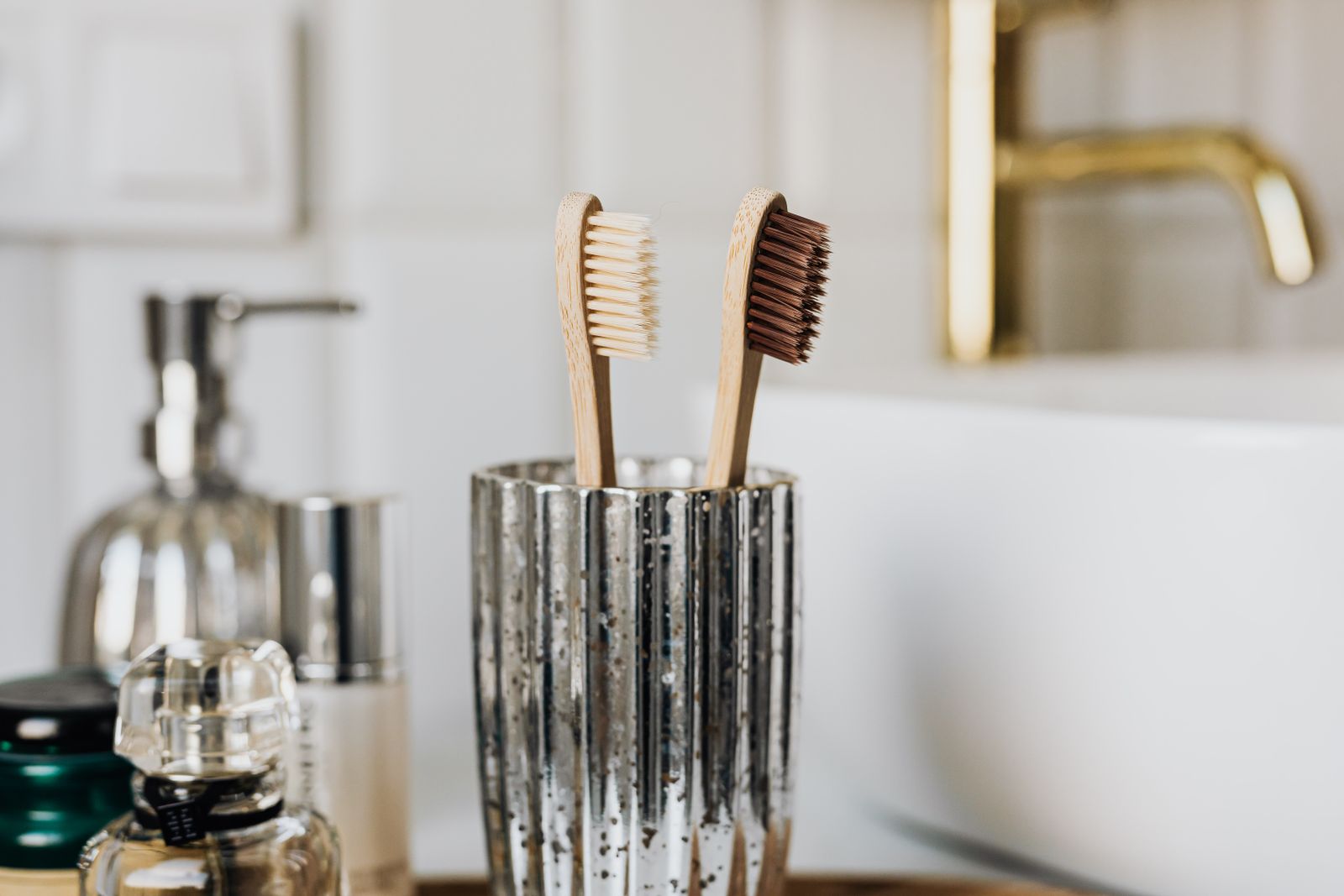
Many travellers do so without problems, because you swallow very little. But UK travel-health guidance advises against using untreated tap water to brush your teeth in countries where sanitation varies, so using bottled water is the safer choice, especially if you have a sensitive stomach, are pregnant, have a weakened immune system or are travelling with children. Keep a bottle by the sink as a reminder, and try to keep your mouth closed in the shower.
Is bottled water in Thailand safe?
Yes, as long as the seal is intact. Thai bottled water is produced under food-safety rules, and you will see the same few brands in every shop. Check that the cap clicks when you open it, and don’t buy bottles that look refilled or have been sitting in direct sun for a long time. Large 1.5-litre and 6-litre bottles are cheaper per litre and mean fewer plastic bottles to throw away. Many guesthouses also have large water coolers you can fill your own bottle from.

Refill stations, filters and plastic
Plastic bottles are a real problem on a small island with limited waste disposal. Some cafés, hotels and dive shops on Phi Phi offer filtered drinking-water refills, and some guesthouses have a dispenser in reception. Ask where you are staying. If you travel with your own bottle that filters water, check that it is designed to remove bacteria and parasites, and follow the maker’s instructions. Bringing water to a rolling boil is another dependable way to make it safe.
When an upset stomach needs a doctor
Most stomach bugs from food or water settle in a few days with rest and fluids. See a doctor if you have blood in your stool or vomit, a high fever, severe tummy pain, diarrhoea that lasts more than three days, or you can’t keep any fluids down. Get help urgently, or call 1669 (Thailand emergency medical services), if someone is confused, very drowsy, has stopped peeing, or is a baby, young child, pregnant woman or older person who is getting dehydrated. Our guide to food poisoning on Koh Phi Phi covers the warning signs in more detail.
Food and drink tips to protect your stomach
Water is only part of it. Most traveller’s stomach trouble comes from food. You don’t need to avoid Thai street food, which is often freshly cooked in front of you, but a few habits help:
- Choose food that is freshly cooked and served piping hot, from busy stalls with a quick turnover.
- Be more careful with salads, raw vegetables and pre-cut fruit, which may have been washed in tap water. Fruit you peel yourself is safest.
- Take care with raw or undercooked seafood and with buffets that have been sitting in the heat.
- Wash your hands or use hand gel before eating, especially after the beach or a boat trip.
- Factory-sealed drinks, hot tea and coffee are safe choices.
If your stomach does get upset, read our guide to what to eat with an upset stomach in Thailand.

If you get dehydrated from a stomach bug
Diarrhoea and vomiting drain water and salts quickly in the heat. Start with oral rehydration salts mixed with bottled water, sipped little and often. These are sold at every pharmacy and 7-Eleven on the island. Most people recover with that alone. If you can’t keep fluids down and are feeling weak, a nurse can rehydrate you with an IV drip in your room. We explain when that makes sense, and when drinking is enough, in IV drip vs drinking water. A drip treats the dehydration, not the infection, so the warning signs above still mean a doctor.
Water FAQ
Water in Thailand: your questions
Is tap water safe to drink in Thailand if I boil it?
Bringing water to a rolling boil kills the germs that cause most stomach bugs, so boiled water is safe to drink once cooled. Bottled water is simpler for most visitors.
Is ice safe in Thailand?
Generally, yes, in established restaurants and bars, where it is usually made commercially from treated water. Avoid ice that looks like it has been stored with food or bottles, and skip it if your stomach is already upset.
Can I shower in tap water on Phi Phi?
Yes. Showering is fine; just try not to swallow the water. Cover any cuts from coral or sea urchins and keep them clean.
Is it safe to brush my teeth with tap water in Thailand?
Many people do, but using bottled water is the safer choice, especially for children, during pregnancy or if your stomach is sensitive.
How much water should I drink in Thailand?
There is no single number. In the heat you need more than at home: drink regularly through the day and aim for pale yellow pee.
Keep reading
Staying well on Phi Phi
Read food poisoning on Koh Phi Phi for symptoms and what to buy at the pharmacy, or IV drip vs drinking water to see how rehydration works.
Sources: TravelHealthPro (NaTHNaC): Food and water hygiene · WHO: Drinking-water. Last updated October 2026.

Feeling rough? Help is one message away.
Daily 8:00 – 22:00