
Sore throat or a cold in Thailand: what to buy and when to see a doctor
A sore throat in Thailand is usually a cold or a dry, irritated throat and gets better on its own within a week. Rest, plenty of fluids and something soothing from 7-Eleven or a pharmacy are normally all you need. A fever is different here: in Thailand it can mean flu or dengue, so see a doctor rather than treating it yourself.
The short version
A sore throat on holiday in five points
- Most sore throats are viral and clear up within about a week without special treatment.
- Soothe it: warm drinks, honey, salt-water gargles, cool soft food, throat sweets and rest.
- Ask a pharmacist what’s suitable for you before buying medicine, and tell them about any other medication or pregnancy.
- No antibiotics unless a doctor prescribes them, even though some pharmacies in Thailand sell them over the counter.
- A fever, trouble swallowing or breathing means a doctor, and difficulty breathing means call 1669.

Why so many travellers get a sore throat in Thailand
It’s one of the most common complaints we hear on Phi Phi, and it’s rarely a mystery. A few things tend to stack up:
- Air conditioning: sleeping under a cold air-con unit all night, then stepping into hot, humid air, leaves many people with a dry, scratchy throat in the morning.
- The flight: long hours of dry cabin air, and lots of people sharing a small space, make colds easy to catch on the way here.
- Late nights: shouting over the music in a Loh Dalum beach bar, cigarette and fire-show smoke, and too little sleep.
- Alcohol: it dries you out and makes a sore throat feel worse the next day.
- Busy places: ferries, hostels and bars are perfect for passing colds from traveller to traveller.
Most of the time the cause is a virus, like a common cold. The NHS notes that sore throats usually get better by themselves within a week.
What helps a sore throat
The basics work, and you can do them all in your hotel room:
- Gargle with warm, salty water (adults only), then spit it out.
- Drink plenty of water. In the heat you need more than you think, and a dry throat feels worse.
- Warm drinks such as tea with honey and lemon, or cool soft food if that feels better.
- Suck ice cubes, ice lollies or hard sweets (not for young children, because of the choking risk).
- Rest, and keep away from smoky bars for a night or two.
- Turn the air-con up a few degrees at night, or point it away from your bed.

Sore throat in Thailand: what to buy at 7-Eleven
The 7-Elevens around Tonsai and Loh Dalum are open late and stock most of what you need to feel more comfortable:
- Throat sweets and lozenges, including herbal ones popular in Thailand.
- Honey, lemon or ginger drinks and bottled water.
- Tissues and something easy to eat, like soup or rice porridge.
- Herbal nasal inhalers (ya dom), the small menthol sticks many Thai people carry for a blocked nose. Some travellers like them, though they don’t treat the cold itself.
Thailand cold medicine: using a pharmacy
Thai pharmacies are easy to find in Tonsai village, and pharmacists can recommend pain relief, medicated lozenges or sprays. The NHS suggests asking a pharmacist about these, as some medicines are not safe for everyone. To get the right advice:
- Tell the pharmacist how long you’ve had symptoms and whether you have a temperature.
- Mention any other medicines you take, allergies, pregnancy or breastfeeding.
- Check the leaflet, and don’t combine products that contain the same ingredient.
- Ask before giving any medicine to a child.
About antibiotics: in Thailand some medicines that need a prescription at home can be bought over the counter. Most sore throats are caused by viruses, and antibiotics don’t help viral infections. Only take antibiotics if a doctor has examined you and prescribed them.

Flu, strep throat or tonsillitis?
A cold usually starts with a scratchy throat, a runny or blocked nose and sneezing, and you can still get on with your day. Flu tends to hit suddenly, with a high temperature, aching muscles and exhaustion that puts you in bed. Flu circulates in Thailand all year round.
Tonsillitis, including the bacterial type often called strep throat, can make the tonsils red and swollen, sometimes with white spots, and swallowing very painful. It is often viral too. Only a doctor can tell you whether you need antibiotics, so don’t start a course on your own.
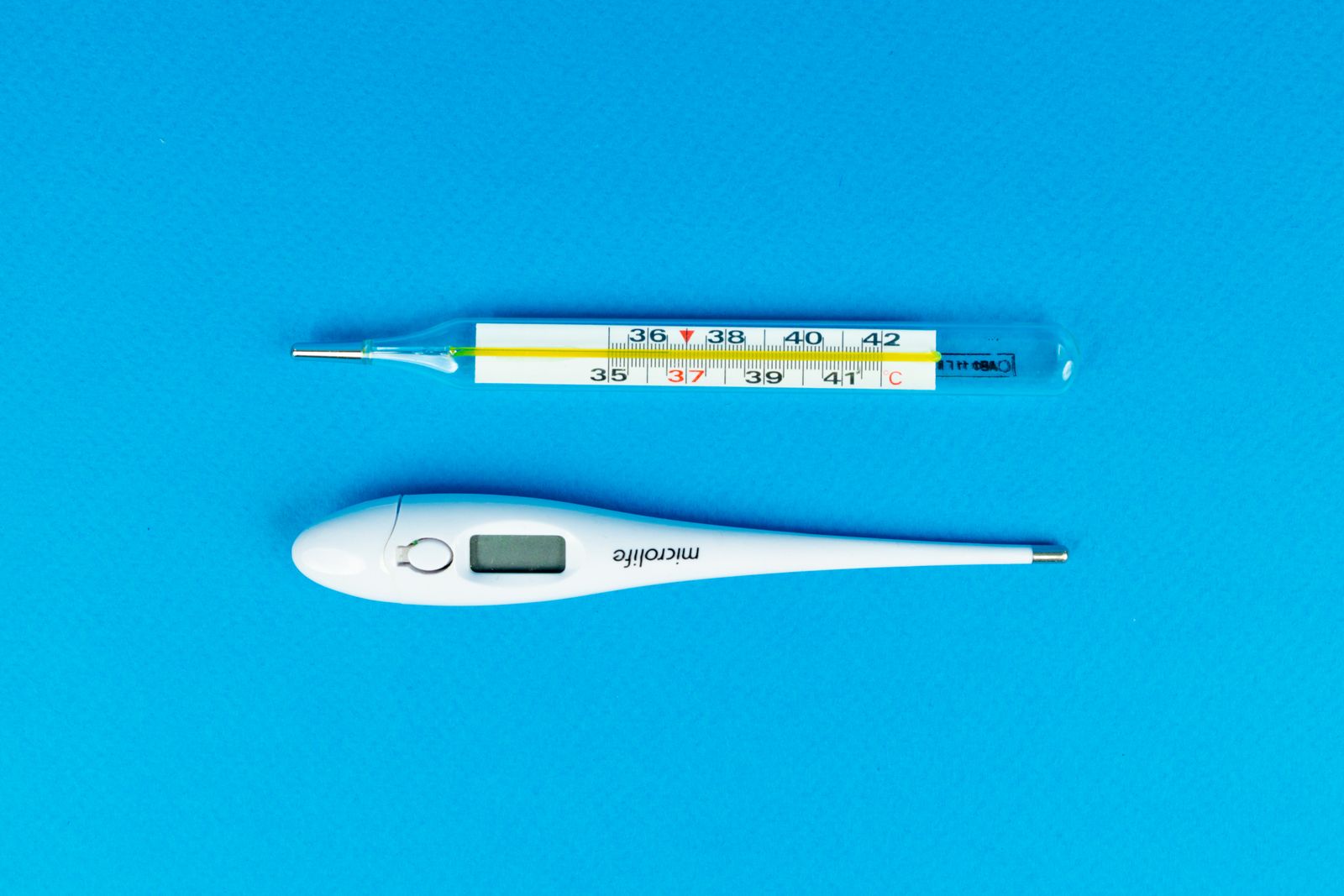
Why a fever matters more in Thailand: dengue fever is common in Thailand, and it can start with a high temperature, headache and aching body that feel like flu. If you have a fever, see a doctor so you can have a blood test, rather than waiting it out. Our guide to medical help on Koh Phi Phi explains where the clinics are.
When you need a doctor, not a drip
See a doctor if you have a high temperature or feel hot and shivery, your sore throat hasn’t improved after a week, you have signs of dehydration, a weakened immune system, or a lump in your neck or a mouth ulcer that lasts more than 3 weeks. Call 1669 (Thailand emergency medical services) or go to hospital straight away if you have difficulty breathing, can’t swallow, are drooling because you can’t swallow, make a high-pitched sound when you breathe, or your symptoms are severe and getting worse quickly.
Can an IV drip help a cold?
An IV drip won’t cure a cold or a sore throat. Where it can help is when you’re run down, not eating or drinking well and need a day to recover before a boat trip or the journey home. Our vitamin C IV drip on Phi Phi combines fluids with vitamin C, zinc and B vitamins. If you have a fever, tell us first: the nurse may advise you to see a doctor before having a drip.

Sore throat FAQ
Sore throats and colds in Thailand: your questions
Can air conditioning give you a sore throat?
Air-con doesn’t cause infections, but cold, dry air blowing on you all night can leave your throat dry and scratchy. Turning it up a few degrees and drinking more water usually helps.
How long does a sore throat last?
Most get better within a week. See a doctor if it lasts longer, keeps coming back, or you have a high temperature.
Can I swim with a sore throat?
If you feel well and have no fever, a gentle swim is fine for most people. Skip diving if you’re congested, because a blocked nose makes it hard to equalise your ears.
Do I need antibiotics for a sore throat?
Usually not. Most sore throats are viral, and antibiotics don’t help viral infections. Only take antibiotics if a doctor prescribes them.
Is it dengue or a cold?
A cold usually brings a runny nose and sore throat without a high fever. Dengue typically starts with a sudden high fever, headache, pain behind the eyes and aching muscles. Any fever in Thailand is worth a doctor’s visit.
Keep reading
Staying well on Phi Phi
See our guide to medical help on Koh Phi Phi for clinics and pharmacies, or the Immunity Shield vitamin C drip if you’re run down.
Sources: NHS: Sore throat · NHS: Tonsillitis · NHS: Flu · WHO: Dengue and severe dengue. Last updated October 2026.

Feeling rough? Help is one message away.
Daily 8:00 – 22:00